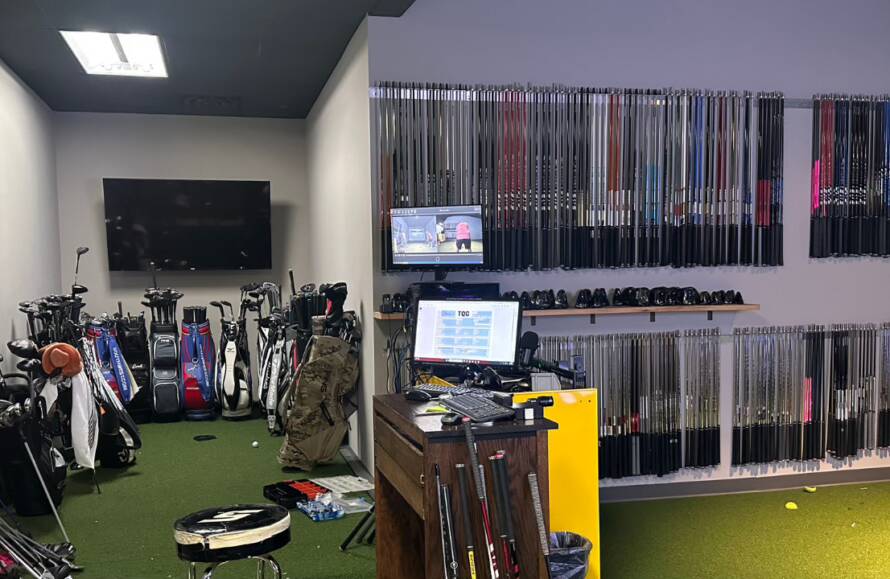
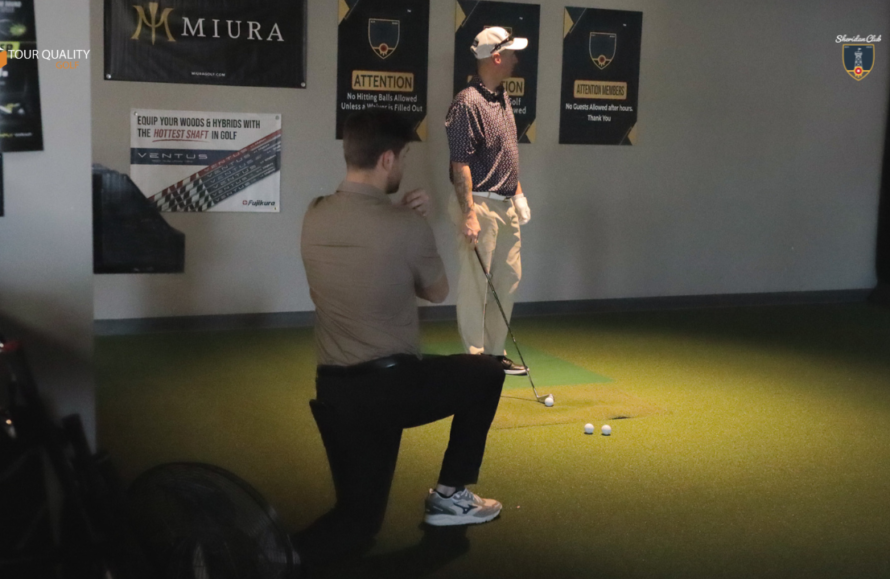
For golfers seeking to optimize their performance year-round, understanding the nuances of seasonal golf club fitting Tulsa is paramount. Tulsa, Oklahoma, experiences significant swings in temperature and humidity, environmental factors that can subtly yet profoundly alter how your clubs perform. At Tour Quality Golf, our PGA-certified experts leverage TrackMan data to ensure your equipment is always perfectly dialed in, regardless of what Mother Nature throws your way.

The Impact of Temperature on Golf Club Performance
Temperature is a silent saboteur of consistent golf performance. It directly affects the density of the air, which in turn dictates how your golf ball flies.
- How air density changes affect ball flight and distance. As temperatures drop, air becomes denser. Denser air creates more drag on the golf ball, reducing both carry distance and overall flight. Conversely, warmer, less dense air allows the ball to travel further. This isn’t just a few yards; it can be a full club or more difference, making precise yardage control a moving target without proper adjustments.
- Impact of temperature extremes on shaft flexibility and material integrity. Golf club shafts, particularly those made from graphite, can exhibit subtle changes in flex characteristics under extreme temperatures. While modern materials are robust, consistent exposure to very cold or very hot conditions can slightly alter their responsiveness. This can lead to minor shifts in launch and spin, impacting shot consistency.
- Understanding the physics behind cold weather distance loss. Beyond air density, the ball itself is less elastic in cold weather. A colder golf ball compresses less efficiently at impact, reducing initial ball speed. Combine this with denser air, and you have a dual-pronged attack on your distance in winter months. Understanding these physics is the first step toward mitigating their effects through fitting.
Humidity’s Role in Club & Ball Dynamics
While often overlooked, humidity plays a significant role in how golf clubs and balls interact with the environment and the golfer.
- How moisture in the air affects ball spin and carry. High humidity adds microscopic water particles to the air, slightly increasing its density and friction. This can lead to increased drag, reducing carry distance, and potentially altering spin rates. In very humid conditions, the ball might “grab” the air differently, influencing shot shape and flight.
- Impact of humidity on grip feel and player comfort. High humidity can make grips feel slick, even if they aren’t visibly wet. This loss of tackiness forces golfers to grip the club tighter, leading to tension, reduced clubhead speed, and inconsistent contact. Player comfort is also compromised, affecting focus and swing mechanics.
- Potential for rust and material degradation in high humidity. Prolonged exposure to high humidity can accelerate the degradation of club materials, especially steel shafts and clubheads. Rust can form on unprotected surfaces, affecting the club’s aesthetics and, in severe cases, its structural integrity. Proper storage and maintenance are crucial, but fitting considerations can also play a role in material choice.

Key Club Components Affected by Seasonal Shifts
The intricate design of a golf club means that various components can be sensitive to environmental changes, requiring careful consideration during fitting and adjustment.
- Shaft stiffness and flex variations in different temperatures. As mentioned, shaft materials can exhibit minor changes in their flex profile due to temperature. A shaft that feels perfect on a 90-degree summer day might feel slightly stiffer or less responsive on a 30-degree winter morning. These subtle shifts can alter launch conditions and dispersion.
- Grip material expansion/contraction and its effect on feel. Grip materials, like rubber and synthetic compounds, can expand in heat and contract in cold. This changes the effective size and feel of the grip. A grip that feels just right in moderate temperatures might feel too large in summer or too small in winter, impacting control and comfort.
- Loft and lie angle stability under varying conditions. While loft and lie angles are set statically, the way a club is delivered and performs can be influenced by environmental factors that change a golfer’s swing dynamics or ball flight. For instance, if you’re subconsciously compensating for distance loss in cold weather, your dynamic lie angle at impact might shift.

Why Seasonal Golf Club Fitting Tulsa is Essential for Tulsa Golfers
Oklahoma’s weather is notoriously unpredictable, swinging from scorching summers to icy winters. For dedicated golfers, this means equipment calibrated for one season might be significantly off for another. This is precisely why seasonal golf club fitting Tulsa is not a luxury, but a necessity for peak performance.
- Maintaining consistent performance across Oklahoma’s varied seasons. Without seasonal adjustments, your yardages will fluctuate wildly, and your shot dispersion might increase. A fitting ensures that your clubs are optimized for the prevailing conditions, helping you maintain consistent distances and accuracy whether it’s April or October.
- Preventing costly swing compensations due to ill-fitting clubs. When your clubs aren’t performing as expected due to environmental factors, golfers often subconsciously alter their swing to compensate. This leads to bad habits, potential injuries, and a breakdown of fundamental mechanics. A properly fitted club eliminates the need for such compensations, allowing you to focus on a consistent, efficient swing.
- Ensuring your equipment matches your game year-round. Your swing might also change slightly with the seasons due to clothing layers, physical conditioning, or simply a different feel for the game. A seasonal check-up ensures that your equipment continues to complement your current swing and physical state, not just the one you had months ago.
The TrackMan Advantage: Data-Driven Seasonal Adjustments
At Tour Quality Golf, we don’t guess; we measure. Our PGA-certified fitters utilize state-of-the-art TrackMan technology to provide undeniable data, making seasonal adjustments precise and effective.
- Precision measurement of ball speed, launch, and spin in any condition. TrackMan captures every detail of your club delivery and ball flight with unparalleled accuracy. We can precisely measure how temperature and humidity are affecting your ball speed, launch angle, spin rate, and ultimately, your carry and total distance.
- Quantifying the exact impact of environmental factors on your clubs. With TrackMan, we can quantify the exact loss or gain in distance due to air density changes or the subtle alteration in spin from humidity. This allows us to make informed decisions about loft adjustments, shaft changes, or even just recommending a different golf ball for certain conditions.
- Making informed, data-backed adjustments for optimal play. Our approach is scientific. We analyze the data from your fitting sessions to recommend specific adjustments to your club lofts, lie angles, or even suggest different shaft profiles or grip sizes to counteract seasonal variables. This ensures every adjustment is backed by proof, leading to optimal play. Learn more about our club fitting process.

When to Schedule Your Seasonal Club Check-Up
Proactive maintenance of your golf equipment is key to consistent performance. Knowing when to schedule your seasonal club fitting can give you a significant edge.
- Best times of year for a fitting (e.g., spring and fall). We recommend scheduling a seasonal check-up at least twice a year: once in early spring as the weather warms up, and again in the fall as temperatures begin to drop. These transition periods are ideal for calibrating your equipment for the upcoming conditions.
- Signs your clubs might need adjustment (e.g., inconsistent distances). If you notice your yardages are suddenly inconsistent, you’re struggling with trajectory, or your dispersion patterns are widening without any change in your swing, it’s a strong indicator that your clubs might be out of sync with the environment or your current game.
- Proactive maintenance for peak performance. Don’t wait until frustration sets in. Treat your club fitting as a crucial part of your golf maintenance routine, just like getting your car’s oil changed. A proactive approach ensures you’re always playing with equipment perfectly matched to the conditions and your swing.
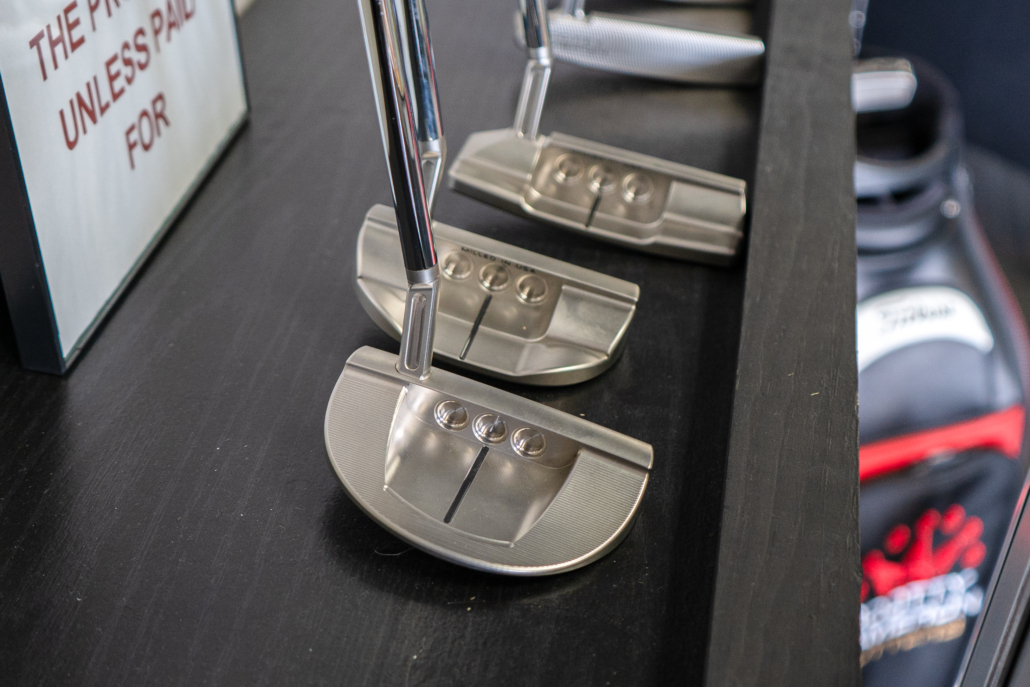
Don’t let Tulsa’s changing seasons dictate your golf game. At Tour Quality Golf, our PGA-certified fitters are equipped with TrackMan technology to provide the precise, data-driven adjustments you need for optimal performance year-round. Take control of your game and ensure your clubs are always working with you, not against you. Schedule your seasonal club fitting today.