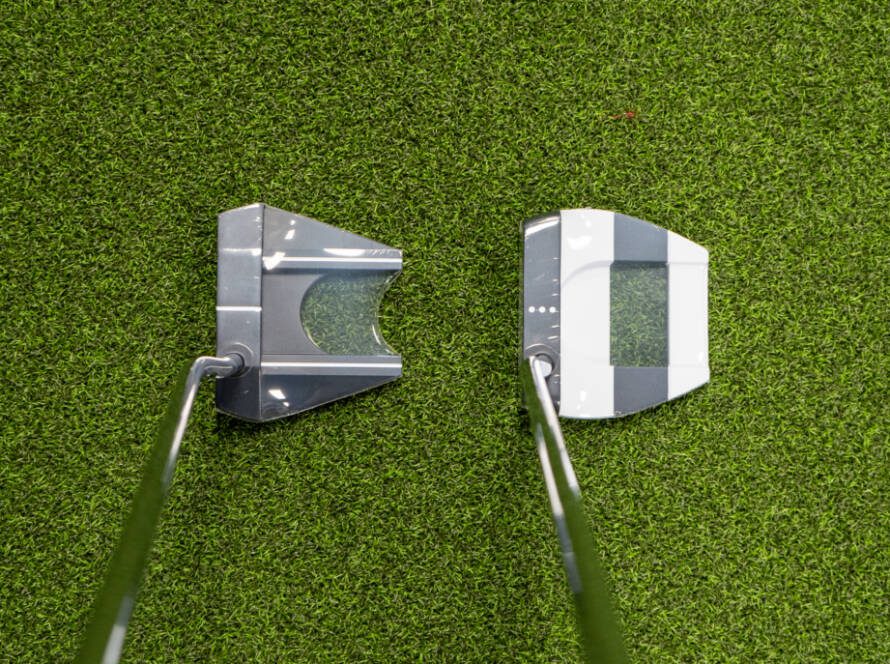
Tour Quality Golf is an indoor golf training facility in Tulsa, Oklahoma, specializing in TrackMan-powered club fitting, PGA-certified lessons, and GolfWorks-certified club repair. If you are shopping for new clubs, you have probably stood in front of a wall of shiny drivers and iron sets wondering whether off-the-rack golf clubs are good enough—or whether custom club fitting is worth the extra step.
For many golfers, off-the-rack clubs feel like the obvious choice because they are fast, familiar, and easy to buy. In fact, that approach works well for some players. However, if you want better consistency, healthier swing mechanics, and real value from an equipment investment, then the comparison between custom club fitting and off-the-rack clubs matters far more than brand logos or marketing claims.
Therefore, this guide breaks down the differences clearly performance, cost, comfort, and long-term value so you can make a confident decision before your next purchase.
Reserve your fitting online today and compare your current clubs to a data-built setup.
What Are Off-the-Rack Golf Clubs?

Off-the-rack golf clubs are mass-produced clubs sold in standard specifications. They are built for a theoretical average golfer: a standard length, a labeled shaft flex (regular, stiff, senior), stock grip size, and factory loft/lie settings. You will find them at retail stores, online shops, and in pre-packaged boxed sets.
The appeal is obvious. You can walk in, pick a set, and play the same week. The upfront price is often lower, and for casual players that convenience is hard to beat.
The challenge is that your swing is not average. Swing speed, tempo, attack angle, height, wrist-to-floor measurement, and grip pressure all influence how a club performs. When those variables do not match the club, you compensate and compensations turn into long-term swing habits.
What Is Custom Club Fitting?

Custom club fitting matches club specifications to your swing and goals. Instead of adjusting your motion to fit the club, the club is built (or adjusted) to support your motion.
A professional fitting typically includes:
- An interview about your game, miss patterns, and goals
- Launch-monitor and/or video analysis of your swing
- Testing multiple heads, shafts, and grips
- Fine-tuning loft, lie, length, and swing weight
- A final build sheet for your custom clubs
At Tour Quality Golf, that process happens indoors on TrackMan technology, so weather never gets in the way of accurate testing. If you want a deeper walkthrough of each step, read our guide to the club fitting process.
Book your fitting online and see what your numbers say before you buy.
Custom Club Fitting vs. Off-the-Rack Clubs: The Real Comparison
Performance and Consistency
Off-the-rack: Stock clubs can work, but small spec mismatches often create big on-course patterns—high right misses, low left pulls, inconsistent carry distances, and unpredictable spin.
Custom fitting: When length, lie, shaft profile, and head design match your delivery, dispersion usually tightens and strike quality improves. That is why many golfers see faster progress after fitting than after another month of random range practice.
Comfort, Posture, and Injury Risk
Off-the-rack: Clubs that are too long or too upright force posture changes. Grips that are too small or too large affect tension and face control. Over time, poor fit can contribute to discomfort in the back, wrists, or elbows.
Custom fitting: Proper length, lie, and grip size help you set up naturally and repeat your motion with less strain. Better mechanics start with equipment that lets you move correctly.
Upfront Cost
Off-the-rack: Lower purchase price and no fitting appointment required.
Custom fitting: Adds a fitting fee and often premium component options. But you are paying for precision—not guesswork.
Long-Term Value
Off-the-rack: Many golfers buy the wrong clubs, struggle, then buy again within a season or two. That cycle is more expensive than it looks.
Custom fitting: Clubs built to your specs tend to stay in the bag longer because they match your game. For many players, one correct purchase beats two almost-right purchases.
Who Each Option Fits Best
Off-the-rack may be enough if: you are brand new to golf and still learning basic contact, you need a temporary backup set, or you are buying junior clubs that will be outgrown quickly.
Custom fitting is the smarter move if: you are investing in a driver or iron upgrade, you play regularly, you have a consistent miss pattern, or you want equipment that supports lower scores—not excuses.
Common Myths About Off-the-Rack Clubs

A few beliefs keep golfers on the retail floor longer than they should be:
- “Regular flex is close enough.” Flex labels are not standardized across brands. One company’s regular can feel like another’s stiff.
- “Only pros need fitting.” Higher-handicap players often benefit more because they have more room to improve when equipment stops fighting their swing.
- “Fitting is just a sales pitch.” A data-driven fitting at a brand-neutral facility is about measurements, not inventory pressure.
- “Online charts can replace a fitter.” Charts are a starting point. They cannot measure strike location, dynamic loft, spin, or how a shaft profile feels through transition.
If you have heard these before, you are not alone. The good news: a 60–90 minute fitting session can replace months of doubt.
When Off-the-Rack Clubs Still Make Sense
Custom fitting is powerful, but honesty matters. Off-the-rack clubs can be a practical choice when:
- You are trying golf for the first time and are not ready to invest heavily
- You need a spare set for travel or practice
- A junior golfer is growing quickly between seasons
- You are replacing a single wedge or putter you already know fits your eye and feel
Even in these cases, a quick check on length, lie, and grip size can prevent bad habits from forming early.
When Custom Fitting Is the Smarter Investment
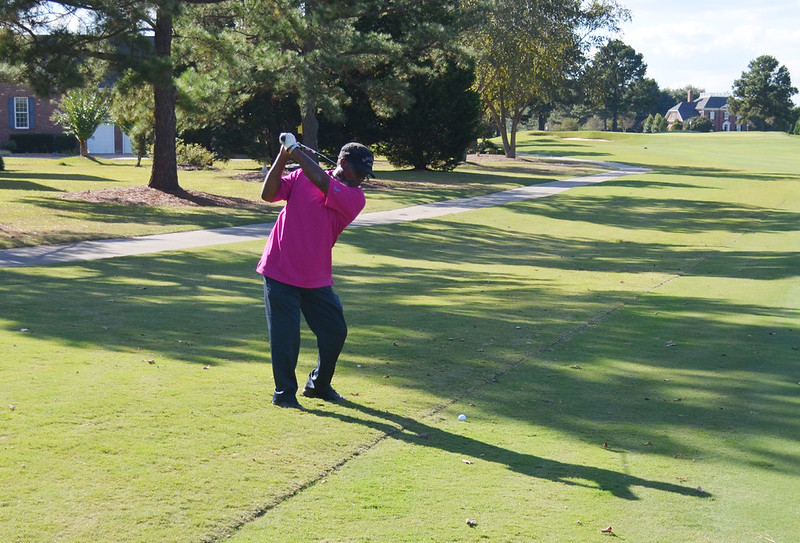
Custom fitting delivers the biggest return when equipment decisions are expensive or performance-sensitive. Strong candidates include golfers who:
- Are buying a driver, iron set, or full-bag upgrade
- Have plateaued despite lessons or practice
- See the same miss repeatedly (slice, hook, thin, fat, heel, toe)
- Are returning after injury or a long break
- Want measurable improvement in carry distance and dispersion
This is where fitting connects directly to scoring. Players who pair the right specs with instruction often see faster improvement—similar to what we discuss in how custom club fitting can lower your scores. For driver-specific gains, see our article on driver fitting for distance and accuracy.
Reserve your fitting online before your next equipment purchase—not after.
The Real Cost Comparison: Cheaper Up Front vs. Better Value Over Time
Off-the-rack clubs look cheaper on the receipt. But the full cost includes performance lost every round and the likelihood of a second purchase.
Example: a golfer buys a stock driver that spins too high and launches too low for their swing. They lose carry distance, struggle with dispersion, and buy another driver eight months later. The “savings” from skipping a fitting are gone—plus they spent a season practicing around bad equipment.
A professional fitting helps you buy once with confidence. At Tour Quality Golf, our club fitting service is built around data and neutral recommendations, so your investment matches your swing—not a sales target.
How TrackMan Data Makes the Decision Easier
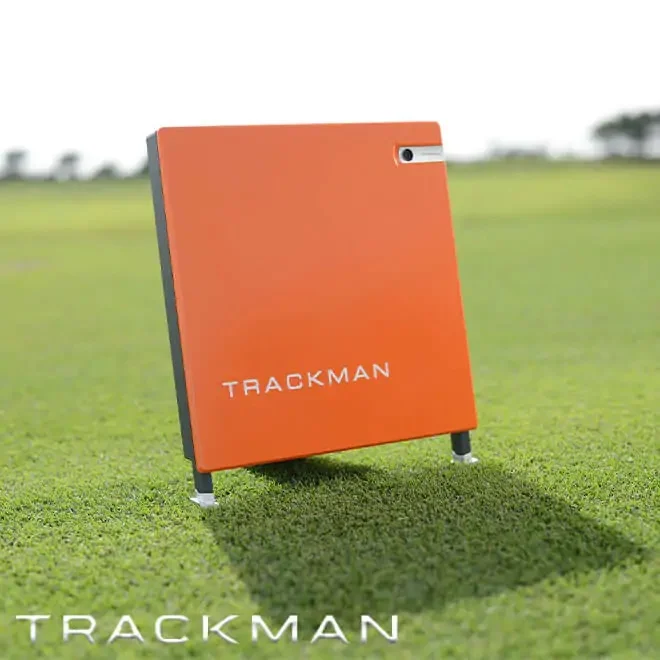
The biggest advantage of modern fitting is objectivity. TrackMan measures what your eyes cannot:
- Carry distance and total distance
- Launch angle and spin rate
- Club path and face angle at impact
- Strike location and shot dispersion
Instead of guessing which club “feels good” under fluorescent retail lights, you compare real numbers indoors. That is especially valuable in Tulsa, where outdoor testing can be disrupted by wind, rain, and seasonal temperature swings.
When you test multiple combinations side by side, the better setup is obvious—often within a few shots.
Why Tulsa Golfers Choose Tour Quality Golf

Tulsa golfers have more retail options than ever, but few places combine fitting, coaching, and club building under one roof. Tour Quality Golf offers:
- Indoor TrackMan bays for year-round fitting
- PGA-certified instruction to pair with your equipment plan
- GolfWorks-certified repair and build expertise
- Support for golfers across Tulsa, Broken Arrow, Owasso, Bixby, Jenks, and Muskogee
Whether you are upgrading one club or rebuilding your bag, you get a process—not a guess.
Quick Checklist: Which Should You Choose?
Choose off-the-rack if:
- You are casually trying golf and not ready to invest
- You need a temporary or backup set
- The club is a short-term solution (juniors outgrowing gear)
Choose custom club fitting if:
- You are spending serious money on new clubs
- You want more distance, accuracy, or consistency
- You have a repeating miss pattern
- You are serious about lowering your handicap
If you checked the second list more than once, fitting is not a luxury—it is the most efficient path to better golf.
Reserve your fitting online today and get a clear answer in one session.
Recap: Convenience vs. Precision
Off-the-rack golf clubs win on convenience. Custom club fitting wins on precision, consistency, comfort, and long-term value. The best choice depends on where you are in your golf journey—but if you are investing in performance, fitting should come before purchase, not after frustration.
Tour Quality Golf helps Tulsa golfers make that decision with real data, expert fitting, and builds you can trust on the course. Call us at (918) 221-7096 or reserve online to schedule your session.
Your best golf is easier when your clubs are built for your swing—not for the average swing on a spec sheet.